
Moving from the range to the course: what an on-course playing lesson covers
By Priya Whitfield · Updated 2026-07-09
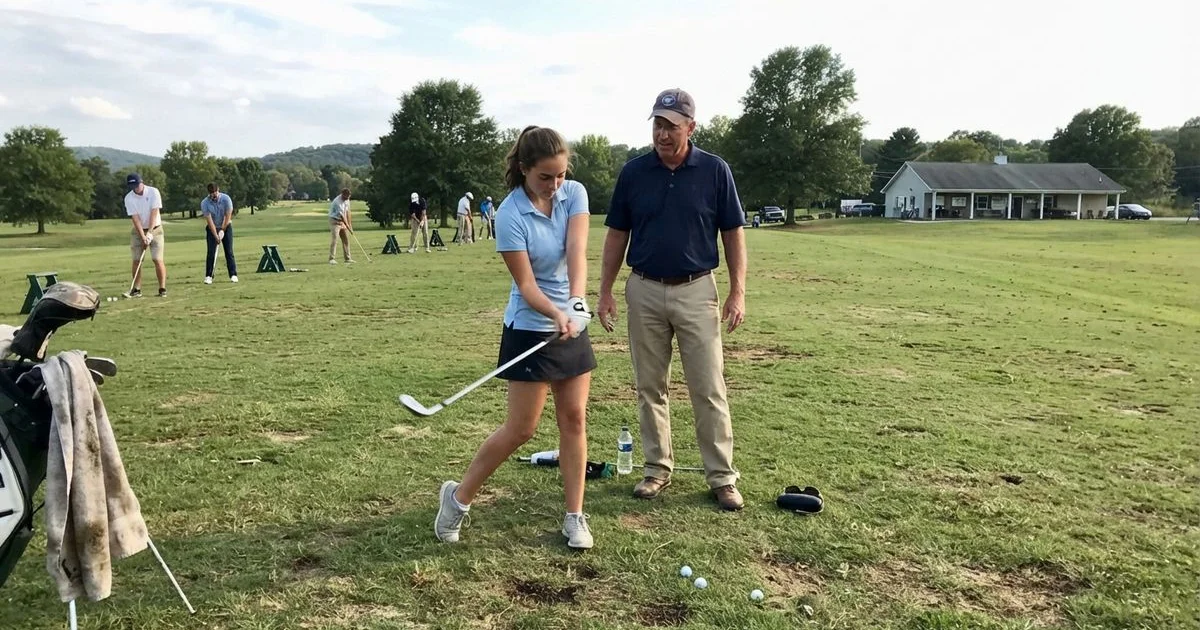
Range lessons and on-course play test different things, and a lot of golfers discover that gap the hard way: swinging well on a mat with no consequences is not the same as executing under the pressure of an actual round. An on-course playing lesson closes that gap directly, and it’s worth understanding what it actually involves before you book one.
What a playing lesson covers that a range lesson doesn’t
At the range, every shot comes from the same flat lie, aimed at an open target, with no penalty for a miss beyond the next ball on the pile. On the course, you’re dealing with uneven lies, real hazards, wind, and the mental weight of a shot that actually counts on your scorecard. On-course playing lessons are built specifically to work on this gap: club selection, reading a hole, managing a miss without letting it snowball into a bad hole, and building the kind of course management that low scores actually depend on.
| Range lesson | On-course playing lesson |
|---|---|
| Flat, repeatable lies | Real lies: uphill, downhill, rough, sand |
| No scoring pressure | Shots count, mental game is part of the lesson |
| Isolated swing mechanics | Decision-making: club choice, target lines, risk management |
| Unlimited do-overs | One shot, then you play it as it lies |
| Best for building or fixing a swing | Best for learning to score with the swing you already have |
How a typical session runs
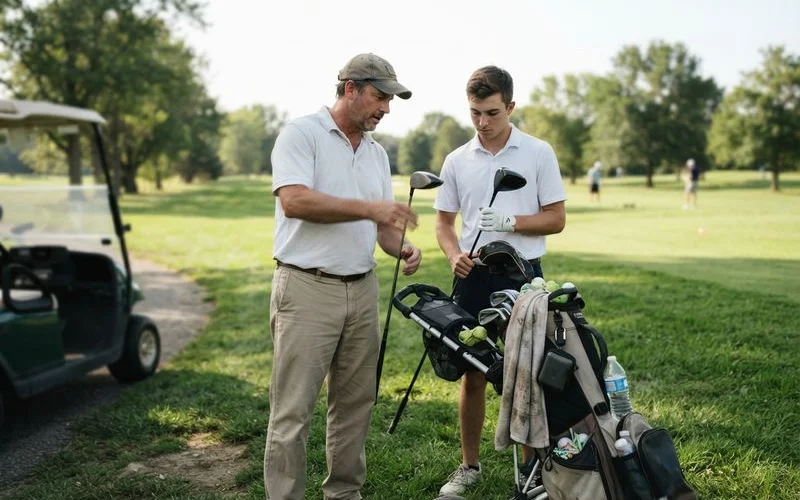
Most on-course playing lessons cover somewhere between six and nine holes rather than a full eighteen, since the instructor needs time to actually talk with you between shots. Expect your coach to walk or ride alongside you, offering input on club selection before each shot, occasionally suggesting a different target line than the one you’d naturally pick, and talking through decisions after the shot lands, especially after a miss. A good instructor uses these moments to teach you how to recover smartly rather than compound one bad shot with a second risky one.
When you’re actually ready for one
A playing lesson works best once you can make contact reasonably consistently and get the ball airborne with most of your clubs. If your range sessions are still mostly about achieving solid contact in the first place, more time there will make a future playing lesson far more productive, since the instructor can focus on strategy instead of basic mechanics mid-round. There’s no fixed handicap threshold. Plenty of higher-handicap golfers benefit from a playing lesson specifically because course management, not raw swing mechanics, is what’s actually costing them strokes. If you’re still working on basic contact, the guide to what happens at a first private lesson covers the fundamentals worth having in place before you head to the course.
What good course management actually teaches
A strong playing lesson leaves you with habits, not just tips for that one round. Expect to come away thinking differently about things like choosing a club that guarantees you clear a hazard rather than the one that gets you closest to the pin, committing fully to a target line instead of second-guessing mid-swing, and accepting a bogey rather than forcing a risky recovery shot that could turn into a much bigger number. These decisions separate golfers who shoot consistent scores from golfers who shoot the same handicap on paper but with far more volatile rounds.
Timing it around Charlotte’s seasons
On-course lessons depend on decent weather and daylight, which makes spring and fall the most popular windows in the Charlotte area. Summer heat and humidity can still work, especially with an early tee time, but midday sessions in peak summer are tougher on both concentration and stamina. Booking a few weeks ahead during peak spring and fall demand helps you get a preferred time with your instructor rather than settling for whatever slot is left.
Booking one
If you’ve hit a plateau where your range swing feels solid but your scores aren’t reflecting it, an on-course playing lesson is often the more useful next step compared to another round of range work. Ask a prospective instructor how many holes their typical session covers and whether their fee includes greens fees, since pricing structures vary. Compare Charlotte instructors who offer on-course coaching on the full directory, and see our methodology for how instructor scores are calculated.
FAQ
- How do I know if I'm ready for an on-course playing lesson?
- You should be able to make reasonably consistent contact and get the ball airborne with most clubs before moving to the course. If every swing is a full mystery, more range time first will make an on-course lesson more useful.
- Is a playing lesson more expensive than a regular lesson?
- Often somewhat more, since it typically runs longer (covering several holes takes time) and may include the coach's own greens fees. Ask upfront how the session is priced.
- What's actually different about instruction during a round versus at the range?
- The range isolates swing mechanics with a stationary target and no consequences for a bad shot. A playing lesson adds decision-making: club selection, target lines, and managing a shot after it goes wrong, none of which the range replicates.
- Can a playing lesson happen on any course, or does it need to be a specific one?
- Most instructors have a course they typically use for playing lessons, though some will meet you at your regular course by request. Ask your coach directly about their usual setup.